 The Republic News News for Everyone | News Aggregator
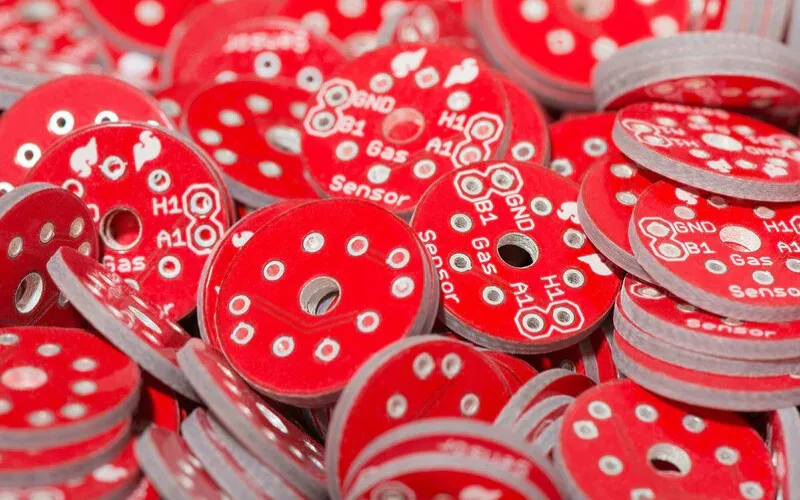
Incheon, South Korea: In a breakthrough that promises to address two of the most pressing environmental concerns of our time, a research team led by Professor Yeong-Don Park at Incheon National University has unveiled a new type of biodegradable gas sensor.
This cutting-edge technology not only offers an innovative solution to monitor harmful air pollutants but also helps mitigate the growing problem of electronic waste.
The newly developed sensors are designed to detect pollutants such as nitrogen dioxide (NO₂), sulphur dioxide (SO₂), and carbon dioxide (CO₂) substances linked to respiratory illnesses and environmental degradation. What sets these sensors apart is their ability to combine high performance with eco-friendliness, being both effective in pollutant detection and fully biodegradable.
The sensor technology leverages organic field-effect transistors (OFETs), which are lightweight, flexible, and easy to produce, making them ideal for portable gas detection. However, one significant challenge with these sensors has been their susceptibility to degradation due to moisture and oxygen, which also contributes to electronic waste. To overcome this, the research team integrated two types of polymers: P3HT, an organic semiconductor, and PBS, a biodegradable material.
By experimenting with different solvent combinations, the team was able to create a sensor that was not only more stable and durable but also highly biodegradable in marine environments. The sensors made using a chloroform and dichlorobenzene mixture exhibited smoother surfaces and maintained their sensitivity even with up to 90% PBS content.
Professor Park stated, “Our eco-friendly sensors represent a crucial step toward sustainable technology. They can either be used widely or safely disposed of, helping reduce electronic waste especially in sensitive ecosystems such as oceans.
The sensors’ ability to remain stable, even with high concentrations of biodegradable materials, makes them a promising solution for both large-scale environmental monitoring and single-use disposable applications. This development could significantly contribute to reducing the environmental impact of electronic waste while improving air quality monitoring globally.
As the world faces increasing environmental challenges, this new sensor technology stands as a promising step towards creating a cleaner, more sustainable future.
Source link


