 The Republic News News for Everyone | News Aggregator
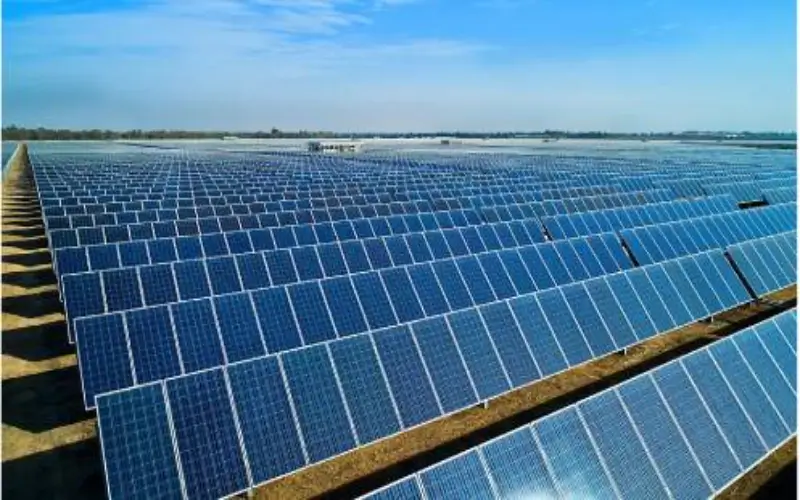
Amid the rapid growth of solar energy use in Pakistan, prices are likely to rise as the International Monetary Fund has proposed an 18% General Sales Tax (GST) ahead of the next federal budget. The proposal is part of wider economic reforms aimed at increasing tax revenue.
Officials are considering removing tax exemptions for solar users and other sectors to help achieve a tax target of more than Rs15.6 trillion. If the plan is approved, the cost of installing solar systems for households and businesses may increase, especially as more people are shifting to solar power due to high electricity bills.
The global lender has also placed several key demands before the 2026–27 federal budget. One of the main proposals is to raise the tax collection target by more than Rs1.6 trillion, setting the new target at over Rs15.6 trillion.
The IMF has also suggested imposing an 18% GST on fuel, including petrol, even though the current GST rate on petroleum products is zero. If implemented, this step could significantly increase fuel prices and may affect transportation costs, food prices, and everyday expenses.
In addition, the IMF has called for the removal of tax exemptions on newly built houses, which could make construction more expensive and further impact Pakistan’s housing sector. The plan also includes bringing small businesses and traders into the tax net based on their assets, which may increase revenue but could also put extra financial pressure on smaller businesses.
Solar Prices in Pakistan 2026
Here’s the solar panel price list sorted from cheapest to most expensive based on Price Per Watt (PKR):
| Jinko P‑Type Bi‑facial | 540 | 13,000 |
| Trina 340/330 | 340/330 | 9,500 |
| Trina 450 | 450 | 12,600 |
| Trina 485 | 485 | 13,500 |
| Jinko P‑Type Mono‑facial | 555 | 13,900 |
| JA 540 Single Glass | 540 | 15,000 |
| JA 540 Double Glass | 540 | 15,100 |
| JA 550 Bi‑facial | 550 | 15,400 |
| LONGi Hi‑Mo 5 Bi‑facial | 545/555 | 15,100 |
| LONGi Hi‑Mo 5 Mono | 555/560 | 15,550 |
| Trina 545/540/535 | 535‑545 | 15,800 |
| Jinko N‑Type Mono | 585 | 16,900 |
| Trina 580 | 580 | 16,800 |
| LONGi Hi‑Mo 6 Single Glass | 565‑585 | 17000 |
| JA 575 N‑Type Bi‑facial | 575 | 17,300 |
| Trina Vertex 590/595 | 590/595 | 17,900 |
| JA 580 N‑Type Bi‑facial | 580 | 18,500 |
| LONGi Hi‑Mo 7 (std) | 580‑615 | 18,000 |
| LONGi Hi‑Mo 7 (double) | 600/615 | 18,600 |
| LONGi Hi‑Mo X10 Bi‑facial | 640/645 | 23,700 |
| LONGi Hi‑Mo X10 Mono | 640/645 | 23,700 |
| Jinko N‑Type Bi‑facial | 585 | 17,250 |
| Jinko N‑Type Bi‑facial 575 | 575 | 16,500 |
For the current fiscal year, the government had already lowered the tax target from Rs14.131 trillion to Rs13.979 trillion. Even after reducing the target by Rs152 billion, the country still recorded a shortfall of Rs428 billion during the first eight months of the fiscal year.
Officials say the main reasons behind the drop in tax collection include reduced imports due to global conflicts, rising oil prices, and slowing business activity in the country. These factors have affected overall economic performance and government revenue.
If the new proposals put forward by the International Monetary Fund are approved, people in Pakistan may soon face higher fuel prices, more expensive solar systems, and increased taxes in several sectors. This situation could raise new concerns about inflation and the rising cost of living.
Source link


