 The Republic News News for Everyone | News Aggregator

Understanding the Concept of Imamate in Shia Thought
Many non-Muslims and even some Sunni brothers may not fully understand what the concept of “Imam” means within Shia Islam. In Shia theology, the role of an Imam is not ordinary or symbolic; it represents a deep religious authority and responsibility.
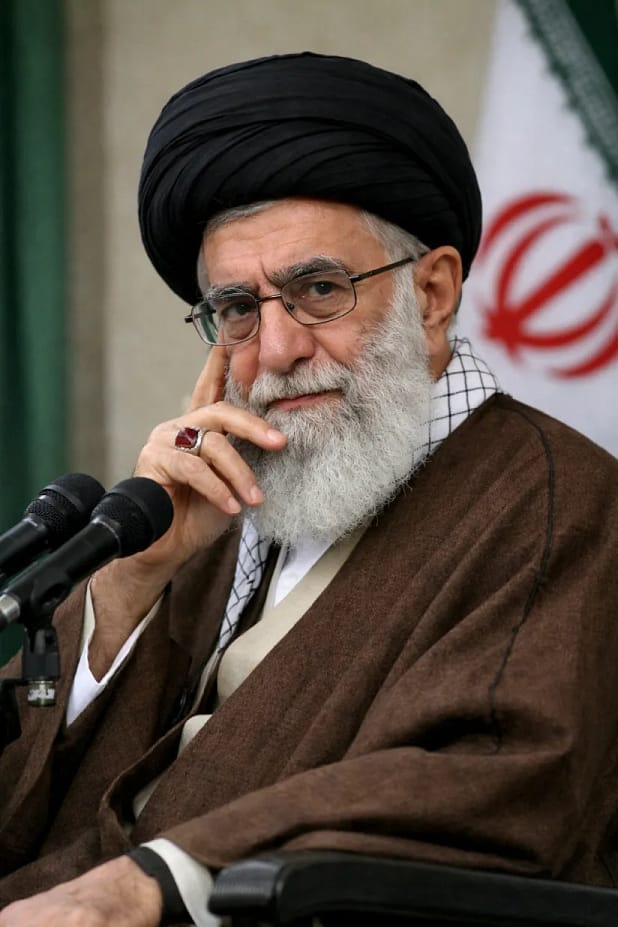
A Mujtahid Imam (a highly qualified religious jurist) has the authority to interpret religious law and issue fatwas (religious rulings). If such a jurist declares something permissible or impermissible, that ruling carries significant weight among his followers. This authority is not given to a common individual — it is reserved for someone with extensive religious knowledge, scholarship, and recognition within the religious framework.
In Shia belief, the institution of Imamate is considered a sacred trust connected to Imam Mahdi. Until his return, qualified Mujtahid scholars continue to guide the community in religious matters. They see themselves as caretakers of the faith, preserving and applying Islamic teachings in contemporary circumstances.
This mindset and educational tradition has been passed down for approximately 1,400 years — transmitted both through scholarly books and through teacher-to-student relationships across generations.
Within this belief system, the idea is that removing one religious leader does not end the system or ideology. The intellectual and educational structure remains strong, and many other trained scholars are prepared to continue serving the Shia community.