 The Republic News News for Everyone | News Aggregator
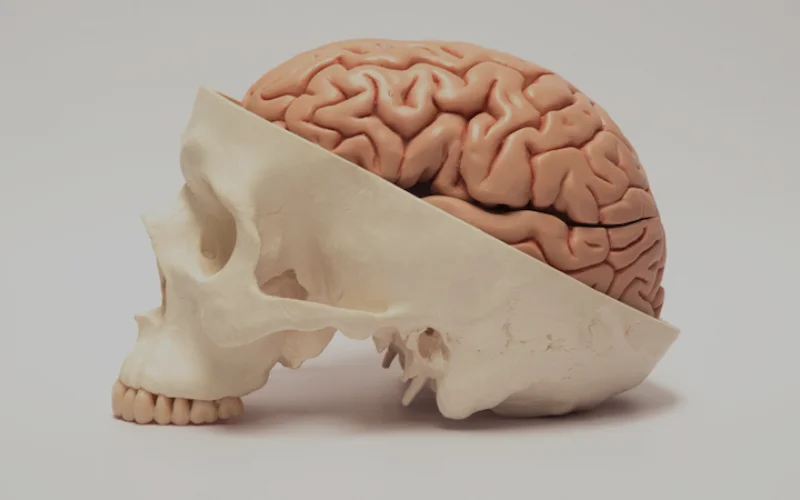
Severe gum disease can lead to tooth loss and has already been linked to conditions like heart disease, diabetes, and arthritis.
Researchers in Japan have identified a potential connection between gum disease and multiple sclerosis (MS), a neurological condition that affects the brain and spinal cord.
Multiple sclerosis occurs when the immune system mistakenly attacks myelin, the protective layer surrounding nerve fibers. This damage disrupts communication between the brain and the rest of the body, leading to symptoms such as muscle weakness, balance difficulties, and vision problems.
The study found that a common oral bacterium, Fusobacterium nucleatum, which is often linked to gum disease, may worsen MS symptoms. Although the exact cause of MS remains unclear, scientists believe factors such as infections, smoking, vitamin deficiencies, and genetics may play a role.
Previous research has mainly focused on the gut microbiome and its influence on MS. However, this new study shifted attention to bacteria found in the mouth, particularly those involved in periodontitis a chronic gum infection that affects nearly half of the world’s population. Severe gum disease can lead to tooth loss and has already been linked to conditions like heart disease, diabetes, and arthritis.
In the study, scientists analyzed tongue coating samples from patients with MS and two related neurological disorders: neuromyelitis optica spectrum disorder (NMOSD) and myelin oligodendrocyte glycoprotein antibody-associated disease (MOGAD). The goal was to determine whether specific oral bacteria were associated with disease severity.
Results showed that MS patients with higher levels of Fusobacterium nucleatum experienced more severe disability, as measured by the Expanded Disability Status Scale (EDSS). These patients also tended to have greater amounts of other harmful oral bacteria.
Notably, this association was not observed in patients with NMOSD or MOGAD, suggesting that oral bacteria may have a unique and specific impact on multiple sclerosis.
The findings highlight the potential importance of oral health in managing MS and open new possibilities for understanding how bacteria outside the gut may influence neurological diseases.
Source link


